
If your eyes are suddenly itchy, red, watery, puffy, or you feel that weird burning tight feeling after a lash appointment, it’s easy to panic. And the internet does not help. One person says “that’s normal, push through.” Another says “you’re allergic, remove everything right now.”
Usually it’s one of two things.
Either you’re dealing with irritation (common, often fixable, usually calms down fast), or a true allergy (less common, tends to get worse with repeat exposure). The tricky part is they can look similar at first.
So here’s what to do first, in a calm, practical order.
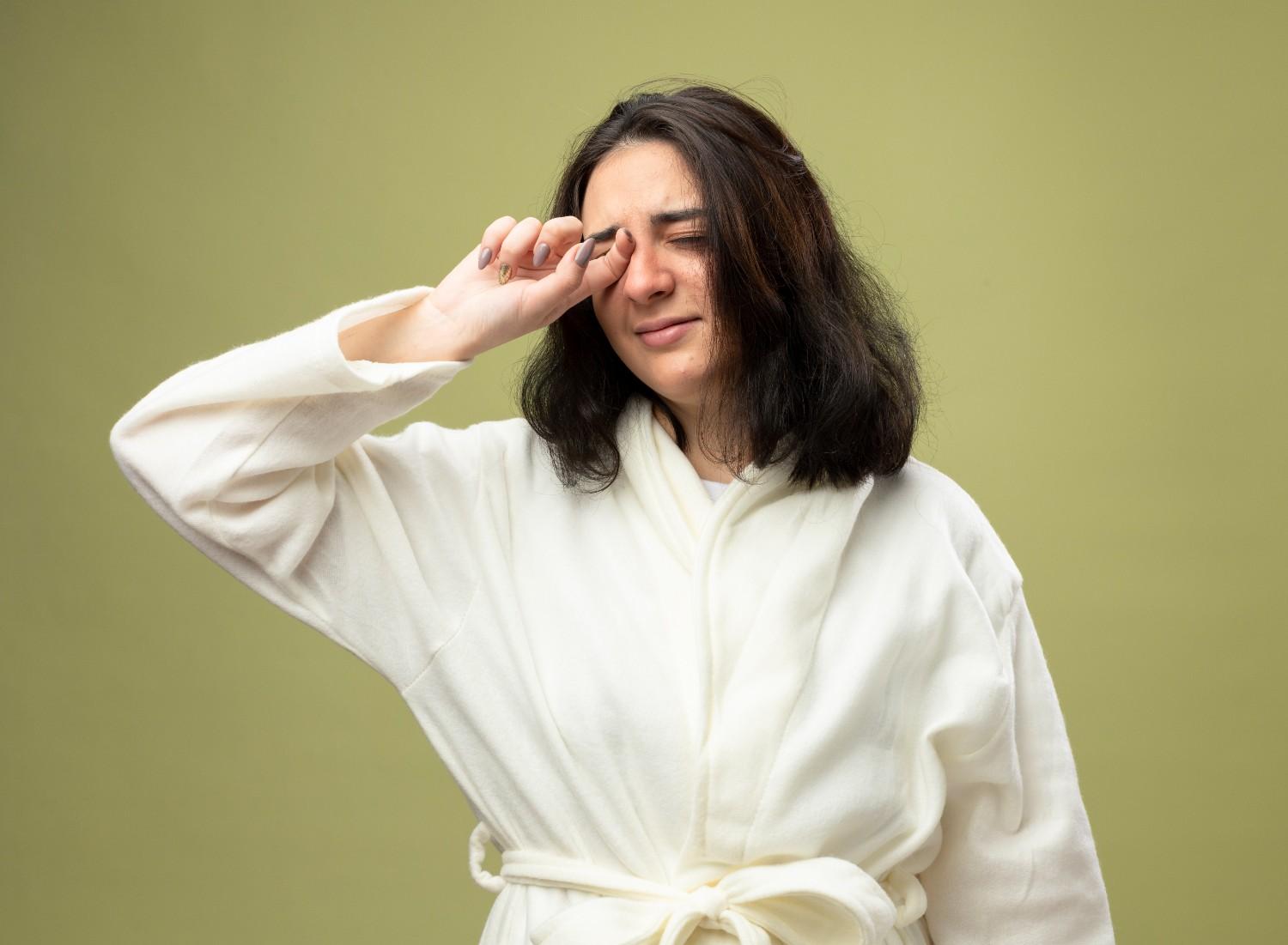
Step 1: Stop rubbing. Seriously.
Rubbing feels like the only thing that helps, but it can make everything worse.
It can:
- inflame the lid more
- break the skin barrier
- push bacteria into the lash line
- loosen extensions so they poke or scratch
- spread product residue into the eye
If you do nothing else right away, do this. Hands off. Blink, breathe, step back from the mirror.
Step 2: Figure out what you’re actually feeling (allergy vs irritation)
Not a perfect science, but these patterns help a lot.
Signs it’s more like irritation
Irritation is usually a reaction to fumes, pads, tape, cleansing, or mechanical stuff (like a lash poking or a gel pad sitting too close).
Common clues:
- burning or stinging more than itching
- watery eyes, gritty feeling, sensitivity to light
- one eye is worse than the other (often placement related)
- you feel it immediately or within a few hours
- it improves noticeably within 24 to 48 hours
Irritation can also happen if your eyes were a bit dry that day, you wore contacts, you had seasonal allergies already, or you kept talking and laughing through the service and your eye pads shifted. It happens.
Signs it’s more like an allergy
A lash allergy is most often a reaction to the adhesive ingredients (not the lash fiber itself).
Common clues:
- itching is the main thing
- swollen eyelids, especially along the lash line
- redness on the lid skin, sometimes little bumps or a rashy look
- both eyes tend to react similarly
- symptoms often start 6 to 24 hours later
- it may come back or get worse after every fill
If you’ve had eyelash extensions before with no issues, you still can develop an allergy later. That part is frustrating, but it’s real.
Step 3: Do the safest “first aid” things at home (first 24 hours)
This is the gentle stuff that won’t make things worse.
1) Rinse your eyes and lashes with clean water or saline
If your eyes are burning or watery, a simple rinse can remove residual fumes or cleanser.
- Use sterile saline eyewash if you have it.
- Or rinse with clean lukewarm water, no pressure.
- Pat dry. Don’t rub.
2) Cool compress, not hot
A cool compress helps swelling and that angry heat feeling.
- Clean cloth, cool water.
- 5 to 10 minutes.
- Repeat a few times a day.
Skip hot compresses at first if you’re actively swollen and itchy. Heat can feel good but it can also increase swelling for some people.
3) Avoid makeup, oils, and random “soothing” creams on the lid
This is where people accidentally escalate things.
Avoid:
- heavy eye creams
- essential oils
- coconut oil (also weakens lash adhesive and can migrate into the eye)
- makeup remover balms
- anything with fragrance
If you normally use a lash cleanser, keep it simple and gentle. If cleansing burns, stop and just rinse for now.
4) Consider an oral antihistamine if itching and swelling are clearly allergic
If you know you tolerate over the counter antihistamines, this can reduce symptoms. But don’t stack a bunch of meds and hope for the best. If you’re unsure, ask a pharmacist.
And if you wear contacts, take them out. Give your eyes a break.
Step 4: Message your lash studio, and be specific
This part matters. A good studio wants to know, and they can help you decide what’s next.
Send a short message with:
- when symptoms started (immediately vs next day)
- what you feel (itching vs burning)
- photos in good light
- whether it’s one eye or both
- whether you’ve had extensions before
If you’re in Oakville, you can reach out to Frame Lash Studio and Spa through their site and booking page here: https://framelashstudio.com/
Even if you’re not sure it’s an allergy yet, it’s worth checking in early so you don’t guess your way into a worse reaction.
Step 5: Decide if you need a removal (and when)
Not everyone needs an immediate removal. But sometimes, yes, you do.
Removal is usually the right move if:
- lid swelling is significant or worsening
- itching is intense and persistent
- you have a visible rashy reaction along the lash line
- symptoms return every time you get fills
- you suspect the lashes are trapping irritant against the skin
Please don’t try to peel them off. And don’t soak your eyes in oils and scrub. Professional removal is faster, cleaner, and way less traumatic for your natural lashes.
Step 6: Know the red flags (get medical help)
Lash irritation and allergies can be uncomfortable, but certain symptoms are beyond “wait and see.”
Get urgent medical care if you have:
- trouble breathing, facial swelling beyond eyelids
- severe eye pain
- vision changes, halos, or sudden blurriness
- pus-like discharge, fever, or signs of infection
- swelling that is rapidly worsening
When in doubt, protect your eyes. This is not the time to be tough.
What to do next time (so you don’t repeat this)
Once things calm down, it’s smart to figure out what set you off.
A few practical notes:
- If it was irritation, a small adjustment can solve it (pad placement, lash direction, adhesive amount, faster cure, better ventilation).
- If it was an allergy, continuing with the same adhesive usually leads to repeat reactions.
- Take a break until the lids are fully normal again. Not mostly normal. Actually normal.
If you want help choosing a safer plan, ask your lash artist about options and alternatives. At Frame Lash Studio and Spa, you can also explore other services that don’t rely on extension adhesive, like a lash lift and tint or brow services, depending on what your eyes tolerate. You can browse and book directly on their website: https://framelashstudio.com/
A quick wrap up
Here’s the simple order:
- Don’t rub.
- Check the pattern: burning and watery tends to be irritation, itching and lid swelling leans allergy.
- Rinse, cool compress, keep products minimal.
- Contact your studio with photos.
- Consider professional removal if it’s getting worse or clearly allergic.
- Watch red flags and get medical help if needed.
Your eyes recover best when you go gentle and early. No experimenting, no scrubbing marathons, no “maybe it will magically stop if I ignore it.” If something feels off, treat it like it matters.
FAQs (Frequently Asked Questions)
What should I do immediately if my eyes feel itchy, red, or puffy after a lash appointment?
Stop rubbing your eyes right away. Rubbing can worsen inflammation, break the skin barrier, push bacteria into the lash line, loosen extensions, and spread product residue. Instead, blink, breathe, and step back from the mirror to avoid aggravating your eyes.
How can I tell if my eye symptoms after a lash appointment are irritation or an allergy?
Irritation usually involves burning or stinging rather than itching, watery eyes with sensitivity to light, affects one eye more than the other, starts immediately or within a few hours, and improves within 24 to 48 hours. Allergy symptoms mainly include itching, swollen eyelids especially along the lash line, redness or rashy appearance on the lids, affect both eyes similarly, start 6 to 24 hours later, and tend to worsen with repeated exposure.
What are safe first aid steps I can take at home within the first 24 hours after experiencing eye irritation or allergy from lash extensions?
Rinse your eyes and lashes gently with clean water or sterile saline without rubbing. Apply a cool compress for 5 to 10 minutes several times a day to reduce swelling and heat sensation. Avoid makeup, oils (including coconut oil), heavy creams, essential oils, and fragranced products on your eyelids. If you experience clear allergic symptoms like itching and swelling and tolerate antihistamines well, consider taking an oral antihistamine after consulting a pharmacist. Remove contact lenses to give your eyes a break.
When should I contact my lash studio about eye irritation or allergic reactions after an appointment?
Reach out as soon as you notice symptoms. Provide specific details such as when symptoms started (immediately vs next day), what you feel (itching vs burning), whether one or both eyes are affected, if you’ve had extensions before without issues, and photos in good lighting. Early communication helps your studio guide you on the next steps and prevent worsening reactions.
When is professional removal of lash extensions necessary due to irritation or allergy?
Professional removal is advisable if you experience significant or worsening lid swelling, intense and persistent itching, visible rashy reactions along the lash line, recurring symptoms after every fill, or suspect that lashes are trapping irritants against your skin. Do not attempt to peel off lashes yourself or use oils aggressively; professional removal is safer for your natural lashes.
What are the warning signs that require urgent medical attention following a lash extension reaction?
Seek immediate medical care if you have trouble breathing; facial swelling beyond eyelids; severe eye pain; vision changes such as halos or sudden blurriness; pus-like discharge; fever; signs of infection; or rapidly worsening swelling. Protecting your eyes is crucial when severe symptoms arise.